Orders@pcbamake.com

The concept of solder mask
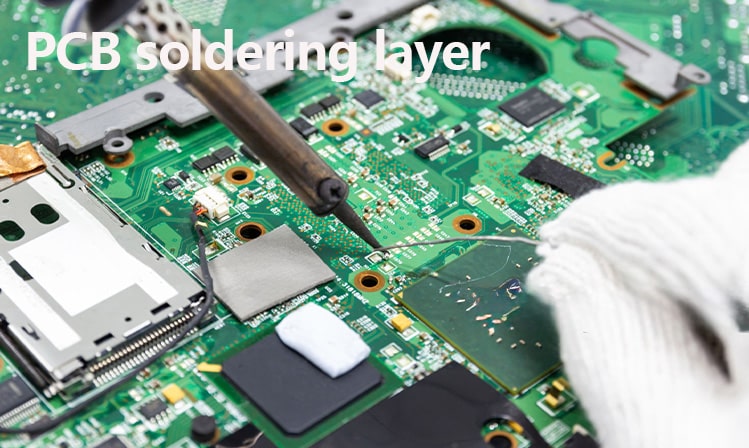
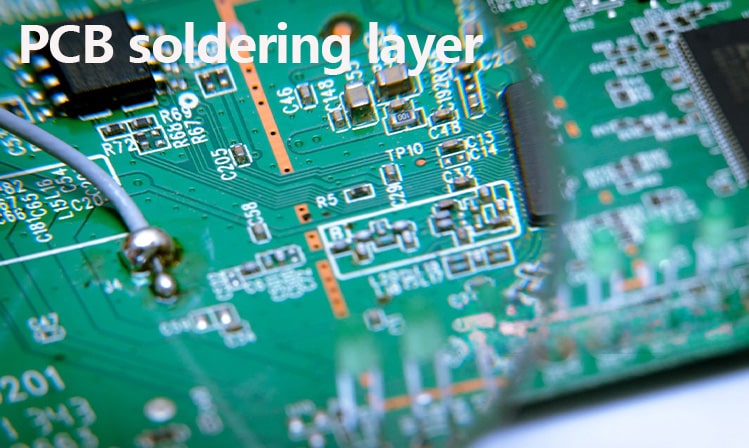
PCB solder mask is a PCB process, which refers to the part of the printed circuit board that needs to be coated with green oil. Printed circuit boards are basically composed of pads, vias, solder mask, silk screen layers, copper wires, various components, etc. Usually in order to increase the thickness of the copper skin, lines are used to remove the green oil on the solder mask layer, and then tin is added to achieve the effect of increasing the thickness of the copper wire.
PCB solder mask is a critical step in protecting the metal components of the circuit board from oxidation and preventing conductive bridges from forming between pads, especially if reflow or solder baths are used. Common PCB solder mask types include liquid epoxy, liquid photoimaging, dry film, etc. The best choice for a circuit board depends on cost and application. The solder mask color is usually green to improve contrast for visual inspection. Selecting the appropriate solder mask requires consideration of the board’s physical dimensions, surface layout, and final application.
Solder mask process requirements
The role of solder mask in controlling soldering defects during the reflow soldering process is important, and PCB designers should try to minimize spacing or air gaps around pad features.
While many process engineers would prefer that solder mask separate all pad features on the board, the lead spacing and pad size of fine-pitch components will require special considerations. While unzoned solder mask openings or windows on a four-sided QFP may be acceptable, controlling solder bridges between component pins may be more difficult. For solder mask for BGAs, many companies offer a solder mask that does not touch the pads, but covers any features between the pads to prevent tin bridging. Most surface mount PCBs are covered with solder mask, but the coating of the solder mask, if the thickness is greater than 0.04mm (″), may affect the application of solder paste. Surface mount PCBs, especially those using fine-pitch components, All require a low profile photosensitive solder mask.
Solder mask production process
Solder mask must be applied via a liquid wet process or dry film layup. Dry film solder mask material is supplied in 0.07-0.1mm (0.03-0.04″) thickness and may be suitable for some surface mount products, but this material is not recommended for fine pitch applications. Few companies offer products that are thin enough to suffice. Fine pitch standard dry film, but several companies offer liquid photosensitive solder mask. Typically, the opening of the solder mask should be 0.15mm (0.006″) larger than the pad. This allows for 0.07mm (0.003″) clearance on all sides of the pad. Low-profile liquid photosensitive solder mask materials are economical and often specified for surface mount applications, providing precise feature size and clearance.
What is the thickness of standard PCB solder mask?
The thickness of the solder mask mainly depends on the thickness of the copper traces on the circuit board. LPSM and DPSM solder mask thickness in empty areas of the board generally varies with location. Typical solder mask thickness (perpendicular to the board) is at least 0.8 mils. Near the edges of the wires, the solder mask can become thinner, reaching a thickness of 0.3 mils or less. Generally speaking, you want about 0.5 mil of solder mask covering the traces. A sprayed epoxy solder mask can provide a more uniform thickness throughout the PCB.
In addition to protecting copper traces from corrosion, solder mask also serves to place a barrier between adjacent pads on the circuit board. For component pads, this is done by defining a small gap between the solder mask and the exposed pad, called solder mask relief. This creates a barrier that prevents molten solder from one pad from flowing to the adjacent pad. This is especially important for fine-pitch BGAs and other components with high pin densities. This small relief around the edge of the pad allows the solder droplet to fully wet the pad and hold itself in place, preventing bridging from forming during soldering.
What color should the solder mask be?
The color of the solder mask is determined by the dye used in the solder mask material, and the chemical properties of the dye affect the thickness of the solder mask after curing. Green solder mask is widely used, one of the reasons is that it can be used to create a thin solder mask barrier (~0.1mm). The dyes used in other colors of solder mask tend to create a thicker solder mask barrier. Regardless of which dye you choose to use, solder mask thickness on PCBs for specific industries or applications is defined in IPC-SM-840D.
Solder mask color is an important component of automated or manual visual inspection. Black solder mask provides the lowest contrast between the board and traces, which can make automated inspection difficult. This is another reason why green diaphragms are preferred. The silkscreen colors you use can also affect visual contrast and contribute to visual fatigue during manual inspection.
How to make the selection solder mask
The appropriate solder mask depends on the physical dimensions and surface layout of your board, holes, components and conductors, and the final application of the product.
For most modern PCB designs, you will need a photolithographic solder resist. The surface pattern will determine whether liquid or dry application is used. Dry application creates a uniform solder mask thickness over the entire surface. However, if your board surface is very flat, dry diaphragm will adhere best. If the surface features are complex, you may be better off choosing the liquid (LPSM) option for better contact with the copper of the trace and the laminate. The disadvantage of liquid application is that the thickness is not completely uniform across the board.
You can also achieve different processing results on the diaphragm layer. Discuss with your manufacturer such as PCBAMake what products they have available and how this will impact production. For example, if you use a solder layer reflow process, a matte finish can reduce solder balls.
If you have PCB/PCBA/OEM/ODM needs, please contact us, We will reply within 2 hours, and complete the quotation within 4 hours or less upon request.
Delivery Services

Verified by

Link Us on